
Many beginners in astronomical observation often have this question: When is the best time to observe Saturn and Jupiter? Why can we sometimes see them and sometimes not at all? Actually, this is determined by the planetary motion within the solar system.
Both Jupiter and Saturn orbit the Sun, so their visible positions from Earth are constantly changing. Only within specific observation windows will these two planets appear in ideal positions in the night sky, at which time their brightness is sufficient for extended observation.
Why is choosing the right time to observe Saturn and Jupiter important?
Before discussing the "best time to observe Saturn and Jupiter," it's essential to understand a basic astronomical concept: planets are not clearly visible in the night sky every day. Because Earth and the planets are constantly moving, their relative positions are constantly changing, directly affecting our ability to observe them.
When Jupiter or Saturn is near the Sun, it is overwhelmed by sunlight and almost impossible to observe; however, when they are opposite the Sun, they become visible throughout the night, reaching their optimal observation conditions. Therefore, essentially, the best time to observe Saturn and Jupiter depends on the relative positions of the planets, Earth, and the Sun.
The Best Time to Observe Jupiter in a Year
Jupiter is relatively easy to observe because of its high brightness and large size. Therefore, within a suitable observation window, Jupiter is relatively easy to see, even in urban areas.
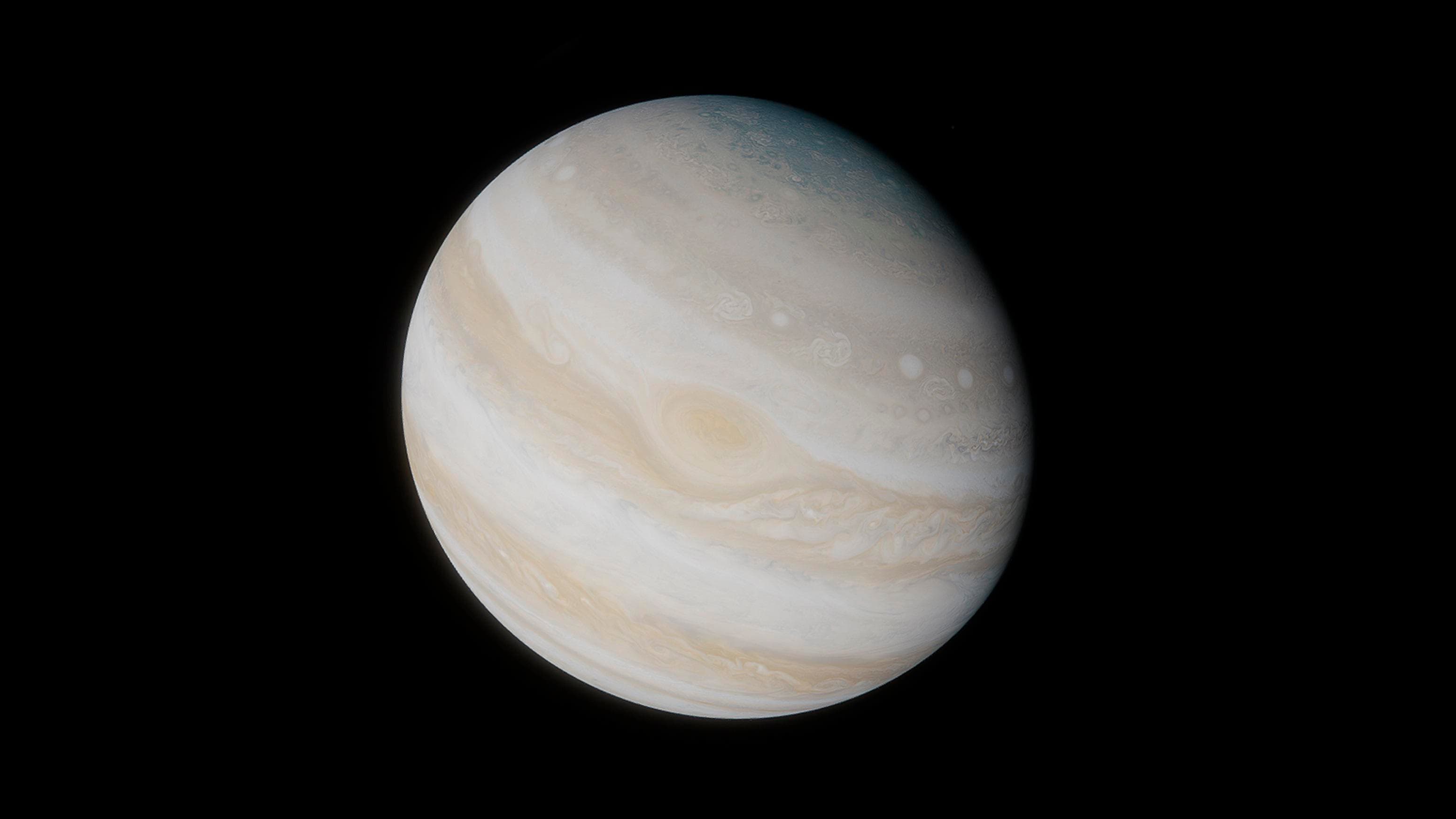
Generally, the best time to observe Jupiter is concentrated in the months surrounding its opposition. During this period, Jupiter rises shortly after sunset and remains in the night sky all night, reaching its brightest point of the year and its apparent diameter at its largest. Detailed observations of Jupiter can be made using a telescope.
Specifically, there are approximately 3 to 5 months each year considered the golden period for Jupiter observation. During this time, Jupiter is visible to the naked eye in the night sky, and the cloud bands and four major moons can also be seen through a small telescope.
Best Time to Observe Saturn Throughout the Year
Compared to Jupiter, Saturn is dimmer, but its unique ring system makes it a highly anticipated target for stargazing.
Like Jupiter, Saturn's best viewing time is concentrated around its opposition, a few months in total. During this phase, Saturn rises earlier in the night and gradually moves higher in the sky. If atmospheric interference is minimal, Saturn will be much clearer.
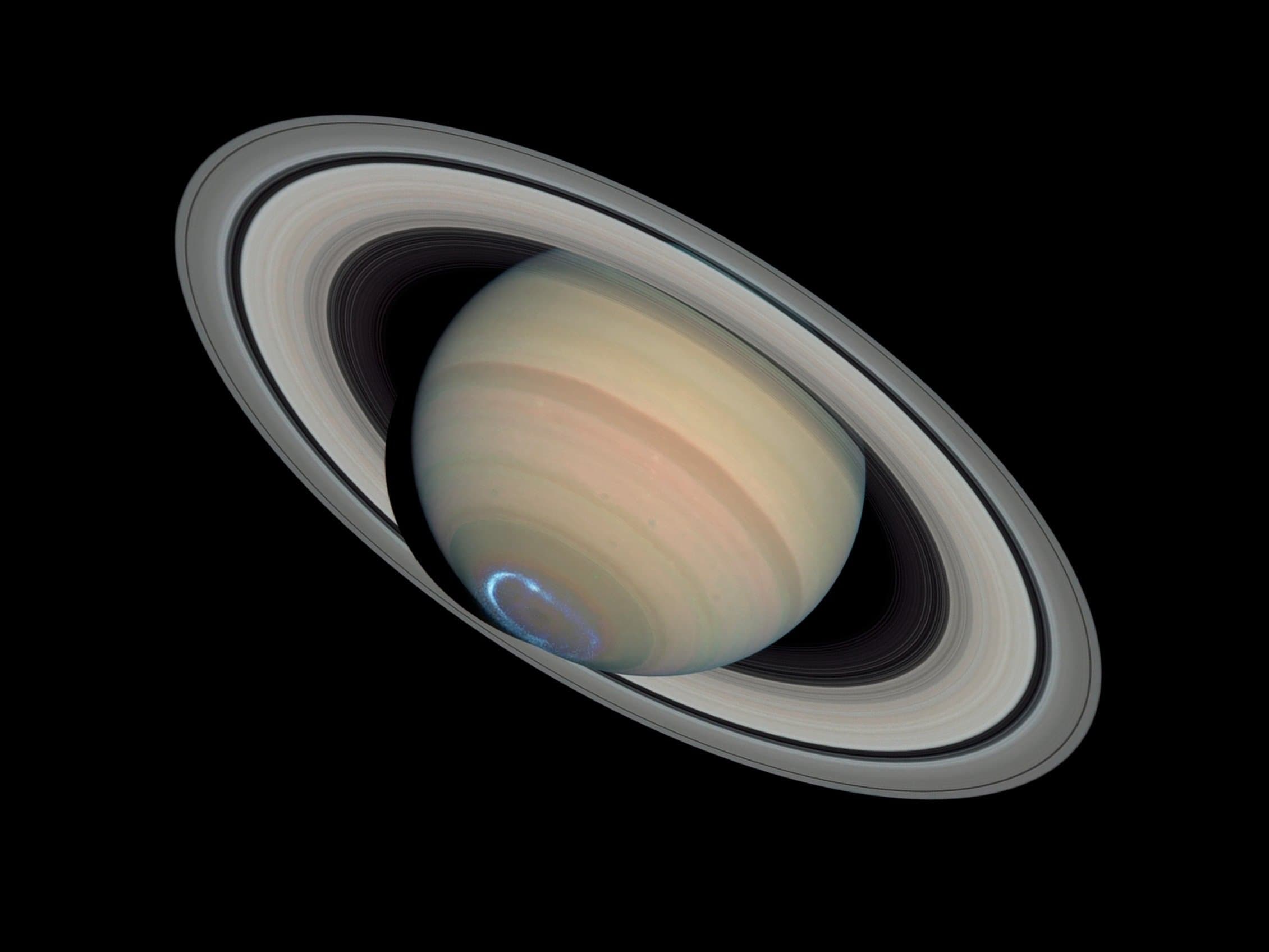
The optimal viewing window for Saturn also lasts for several months, but because of its lower brightness, viewing conditions are more demanding. For better observation, it's recommended to choose an environment far from light pollution. Additionally, during this window, the beautiful rings can usually be clearly seen through a small telescope.
When is the Best Time of Day to Observe Saturn or Jupiter?
Having discussed the annual viewing windows for Saturn and Jupiter, let's now discuss the best time of day to observe them.
Generally, the best time to observe planets is when they are high in the night sky, near their zenith. At this time, the planets are farther from the horizon, the light passes through a thinner layer of atmosphere with less loss, resulting in higher brightness and clearer, more stable observations.
In general, the following principles should be followed:
Avoid observing immediately after sunrise or just before sunset.
Prioritize observations around midnight or in the latter half of the night.
The higher the planet, the better the observation.
Understanding this can significantly improve clarity during observation, even with ordinary astronomical equipment.
How to Improve the Success Rate of Observation
After mastering basic knowledge such as the "best time to observe Saturn and Jupiter," astronomy enthusiasts can further improve their success rate through several methods.
First, it is recommended to check the position and trajectory of the planets in advance. Star chart tools can be used to save time and avoid blindly searching.
Secondly, choose a location with an open view, avoiding obstructions from buildings or trees, and ideally, far from light-polluted urban areas. Thirdly, patience is crucial, especially when using a telescope, as it requires time for focusing and adjustments.
Finally, try to observe on a night with stable atmosphere and few clouds, as atmospheric movement directly affects image clarity. For planetary observation, stable air is often more important than higher telescope magnification.