
Key terms: Weekly celestial events, July stargazing, weekly stargazing guide, North American stargazing, observing the Moon, observing Saturn, observing Mercury.
From July 17 to 24, the night sky offers a spectacular array of sights. For stargazers in North America, the week features a close pairing of the Moon and Antares—perfect for viewing with the naked eye—as well as targets ideal for telescopes, such as Saturn and its moons, Comet Tempel 2, and Mercury, which makes a brief appearance before dawn. Notably, this week coincides with the anniversary of the Apollo 11 moon landing; the lunar phase mirrors exactly what it was on July 20, 1969—the day humanity first set foot on the Moon—adding a special significance to lunar observation. If you are looking for information on celestial events or a stargazing guide for the week of July 17–24, the following overview will help you quickly get up to speed on the week's most noteworthy astronomical highlights.
Five Celestial Events to Watch This Week
This week features a rich array of celestial events, with the following five standing out as particularly noteworthy.
First, a close encounter between the Moon and Antares.
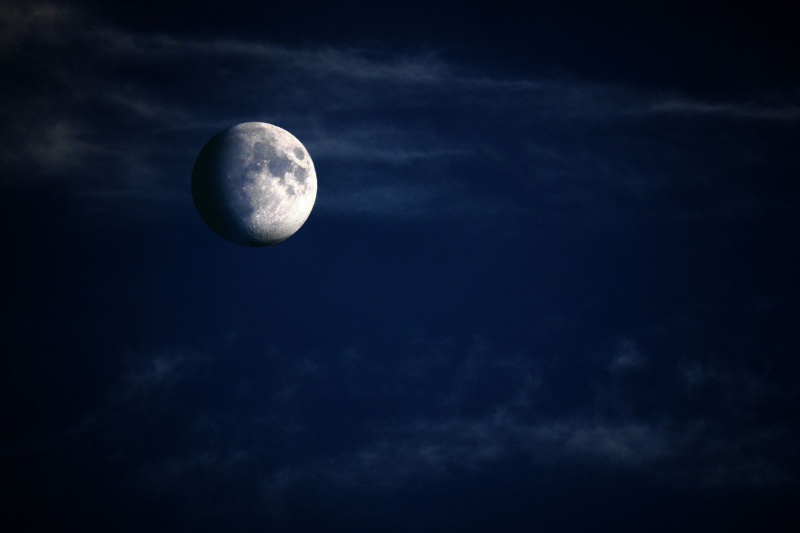
On the evening of July 24, the waxing gibbous moon will pass near Antares, the brightest star in the constellation Scorpius. The pair will form a striking celestial configuration in the southern night sky, making it an excellent opportunity for naked-eye viewing and astrophotography.
Second, Saturn reaches optimal conditions for morning viewing.
Saturn rises in the eastern sky during the early morning hours. Observers with small telescopes can not only admire the planet's rings but also spot several of its moons, such as Titan, Dione, and Rhea.
Third, an opportunity to observe Mercury in the morning sky.
Around July 23, Mercury ends its retrograde motion and resumes direct motion. Although it remains low on the horizon, it can still be spotted with binoculars during clear weather.
Fourth, Comet 10P/Tempel 2 appears in the night sky.
Comet 10P/Tempel 2 is gradually approaching the Sun; with a magnitude of approximately 9, it is a suitable target for observation using binoculars or a telescope.
Fifth, revisiting Apollo 11 on the Moon landing anniversary.
July 20 marks the anniversary of the successful Apollo 11 Moon landing. This year, the lunar phase is almost identical to that of 1969, lending unique historical significance to observing the Moon.
Saturn Takes Center Stage as This Week's Best Planetary Target
If you could choose only one planet to observe this week, Saturn remains the top pick.
From 2:00 AM until sunrise each day, Saturn rises high in the eastern sky, standing out as one of the brightest celestial objects before dawn. Its famous rings can be clearly seen using a telescope with an aperture of 70mm or larger.
A major highlight this week is the shifting positions of Saturn's primary moons. Titan, with a magnitude of approximately 8, is the easiest to identify; Dione, Rhea, and Tethys will also appear on either side of the planet. Enthusiasts with some observational experience might try tracking the daily positional changes of these moons to experience the fascinating dynamics of the solar system.
For those equipped with planetary imaging gear, there is also a chance this week to capture the shadows of Dione and Tethys as they transit Saturn's cloud tops—though such events are best suited for experienced astrophotographers.
Deep-Sky Targets of the Week: Comet 10P/Tempel 2 and NGC 6563
In addition to the planets, there are two deep-sky targets worth challenging yourself with this week.
The first is Comet 10P/Tempel 2. As it approaches perihelion, this periodic comet is brightening—currently around magnitude 9—and its hazy coma can be spotted with binoculars from a location free of city light pollution.
The second recommended target is the planetary nebula NGC 6563, located in the constellation Sagittarius. Although it has a magnitude of 11, its disk-like structure is visible through larger-aperture telescopes. Using an OIII filter can help reveal more detail along the nebula's edges.
Beginners new to deep-sky observing might start with Comet 10P/Tempel 2, while those with larger-aperture equipment can take on the challenge of NGC 6563.
Moon Landing Anniversary: Revisiting the Apollo 11 Mission
July 20 is not merely an ordinary day; it marks a significant milestone in the history of global space exploration.
On July 20, 1969, Apollo 11 successfully landed on the Moon, and Neil Armstrong became the first human to set foot on its surface. This year, the lunar phase aligns with that of the original mission—part of the Metonic cycle—meaning the Moon appears almost exactly as it did during the landing 57 years ago.
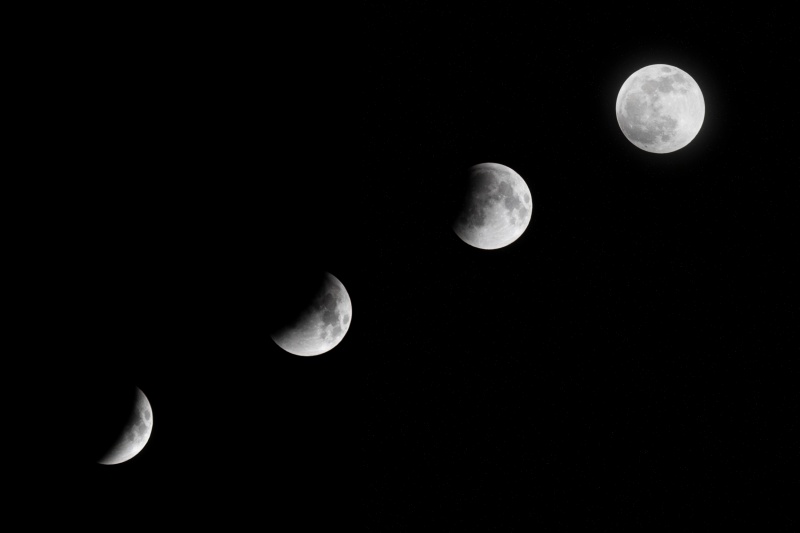
Using binoculars or a telescope, you can focus your observation on the Sea of Tranquility (Mare Tranquillitatis). While the Apollo 11 lunar module itself is too small to be seen directly, you can still identify the Sea of Tranquility and nearby large craters, gaining a deeper understanding of the lunar landscape. It is also a wonderful opportunity to introduce children to the history of human space exploration.
Mercury and Antares Light Up This Week's Night Sky
This week offers two excellent targets for beginners to spot.
Around July 23, Mercury will make a brief appearance low in the eastern sky before dawn. Because it is close to the Sun, the viewing window lasts only twenty to thirty minutes; it is recommended to find a location with an unobstructed view of the horizon and use binoculars to help locate it.
On the evening of July 24, the Moon will appear in close proximity to Antares. Known for its vivid red hue and dubbed the "Rival of Mars," Antares is one of the most striking stars in the summer night sky. As the waxing gibbous moon passes nearby, the two create a vivid color contrast, making this one of the week's best celestial events for photography.
Tips for Stargazing Beginners
Most of this week's celestial events can be enjoyed without professional equipment. The Moon, Antares, and Saturn are easy to locate and can be viewed with the naked eye; using 7×50 or 10×50 binoculars allows for a closer look at comets, star clusters, and lunar details. Observers with telescopes featuring an aperture of 70mm or larger can enjoy spectacular views of Saturn's rings and its major moons.
Additionally, it is advisable to check the weather forecast in advance and choose an observation site with minimal light pollution and an unobstructed horizon; these factors often do more to enhance the viewing experience than simply using a larger telescope.
Summary: Three Must-See Celestial Events This Week
Overall, the celestial lineup from July 17 to 24, 2026, features a mix of planets, the Moon, and deep-sky objects—making it ideal for novice stargazers in North America. Whether it is the moon phase marking the historic Apollo 11 landing, the spectacular morning view of Saturn, or the Moon’s conjunction with Antares, these events are well worth the time spent gazing at the night sky.
If you can choose only three targets to observe this week, the top recommendations are: Saturn and its moons, the Moon alongside Antares, and Comet 2P/Encke. These events offer a moderate level of difficulty for observation; they not only enhance the stargazing experience but also help beginners gain a better understanding of the summer night sky.